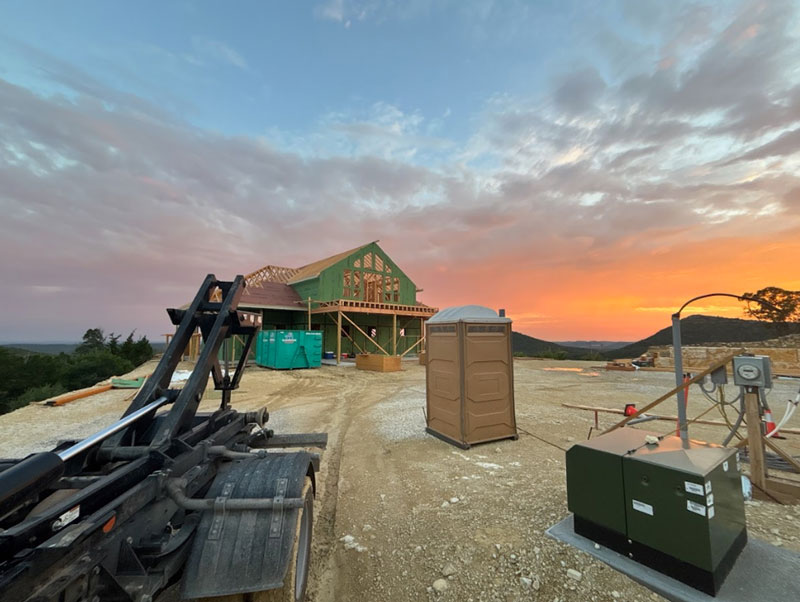
Start with current local instructions and a material inventory. Do not combine all storm debris into a single load before its disposal route is confirmed.
Start with access and the current local response
After a storm or flood, follow emergency and local-authority instructions before entering affected areas or starting a cleanup. A dumpster delivery is not a safety assessment of the building, trees, utilities, or access route. Get those questions resolved by the appropriate people before arranging equipment.
Find out whether the city or county is announcing a debris program for your location. Ask about its eligibility, collection area, accepted materials, and preparation instructions. Do not assume that a past event’s pickup arrangement is active now, or that a private haul will be reimbursed.
Record what needs removal before choosing a container
When access is safe, make a material inventory and take photos for your own records and any contractor or insurer discussions. Separate the description of household contents from building debris, vegetation, appliances, and chemicals. Identify anything whose contents or condition is uncertain.
Ask any insurer or program you are working with what documentation it needs before disposal. Keep quotes, rental dates, and receipts together. This is a recordkeeping step, not a promise of coverage or a reason to delay urgent instructions from local authorities.
Separate debris by its destination
EPA’s disaster-debris guidance emphasizes separating material streams so each can be managed appropriately. Keeping vegetation, building debris, appliances, electronics, and household chemicals distinct also avoids turning one uncertain item into a question about an entire mixed load.
Use the sorting categories required by the program or hauler receiving the debris. Do not place piles at the curb simply because a generic diagram shows them there. Local instructions determine whether collection is offered, how to stage material, and which locations need to stay clear.
- Keep branches and vegetation separate while evaluating brush options.
- Identify building materials and household contents for the rental crew.
- Set aside appliances, electronics, batteries, and chemicals for appropriate handling.
- Leave unknown or potentially hazardous materials to the relevant qualified responders.
Confirm the destination and the condition of the material
TCEQ’s flood resources advise checking with recycling operators about accepted materials, water-damaged items, and fees before hauling. A material that might ordinarily be recyclable may need a different decision after flood exposure.
Tell the rental crew that the load is storm- or flood-related and describe its condition. Do not include unidentified chemicals, liquids, suspect hazardous materials, or dense soil and sediment without a specific disposal discussion. Get approval for the actual load rather than relying on a normal household-cleanout description.
Recheck the property after the weather changes it
Tell the crew about washed-out approaches, soft ground, standing water, damaged gates, culverts, and overhead obstructions. A route that worked before the storm may no longer be suitable for a delivery or collection truck. Share current photos where you can do so safely.
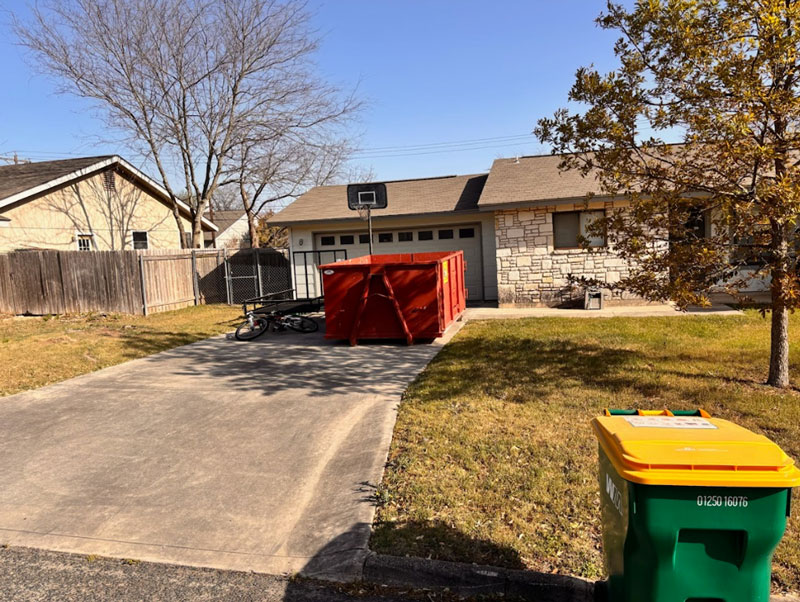
Choose placement with the driver’s input and keep access available for collection. If conditions change while the dumpster is on site, update the team before requesting pickup. Do not attempt to relocate the loaded container.
Plan recovery work in stages
Initial cleanup and later rebuilding may produce different loads on different dates. Discuss the first phase with the crew, including approved materials, expected pace, and whether additional hauls may be needed. Confirm capacity and timing instead of assuming an immediate delivery or exchange.
Review progress before the intended pickup date. Weather, contractor schedules, and site access can change the plan; an extension or revised pickup still needs confirmation. Keep one person responsible for communicating changes to the crew so instructions remain consistent.
Before arranging a storm-cleanup rental
- Current local safety and debris-program instructions checked
- Material types and conditions documented where safe
- Separate disposal routes confirmed for special items
- Truck access and ground conditions reassessed
- Pickup contact, dates, and possible additional hauls discussed
Local programs, accepted materials, and rental terms can change. Confirm the requirements for your address, material, and rental before loading or making a disposal trip.