Sort first, then size the disposal load. Keeping, donating, and recycling decisions change how much dumpster space you actually need.
Make the important decisions before rental day
For a garage, outbuilding, or estate cleanout, start by deciding who can authorize disposal. Set aside documents, keys, photographs, valuables, and items that need another family member’s decision. Give uncertain belongings a clearly marked holding area so they are not mistaken for trash.
Walk the property before ordering. Include closets, attic access areas, sheds, patios, and storage rooms in the inventory, but avoid moving anything you cannot handle safely. A list and photos are enough to begin the sizing conversation.
Create four destinations for the contents
Mark areas for keep, donate-or-reuse, recycle-or-special-disposal, and approved dumpster material. Work through one area at a time. Assign someone to answer questions, and tell helpers that unmarked items stay put until a decision is made.
Confirm donation acceptance and collection arrangements before relying on them. A usable table may have a clear next home; a damaged sofa may not. If an organization cannot accept an item, check its rental acceptance before adding it to the disposal pile.
- Keep: documents, personal items, tools, and things with a confirmed use.
- Donate or reuse: items in a condition a recipient has agreed to accept.
- Recycle or special collection: electronics, batteries, chemicals, and other items needing a separate route.
- Dumpster: only materials the rental team has approved.
Give garages and sheds an extra sorting pass
Look for old paint, pool and garden products, automotive liquids, and unknown containers among ordinary clutter. Keep those out of the dumpster. TCEQ’s household hazardous waste resources can help you find an appropriate local program; do not mix products or remove their labels.
Before loading power tools or electronics, identify battery-powered items. EPA advises taking lithium-ion batteries and devices containing them to appropriate collection points rather than household trash or regular recycling. Check the local program’s requirements for your exact item.
Size the load after the easy diversions are arranged
Once the keep and donation decisions are clearer, list the bulky items left for disposal. Describe their approximate dimensions and whether they can be handled as they are. Ask about mattresses, appliances, and electronics individually instead of assuming they are included.
A focused cleanout and a whole-property clear-out may call for very different capacity. Tell the crew which buildings or rooms are involved and how much has already left. If a second round of decisions is likely, discuss whether an exchange or a later rental would work better.
Keep the cleanout day organized
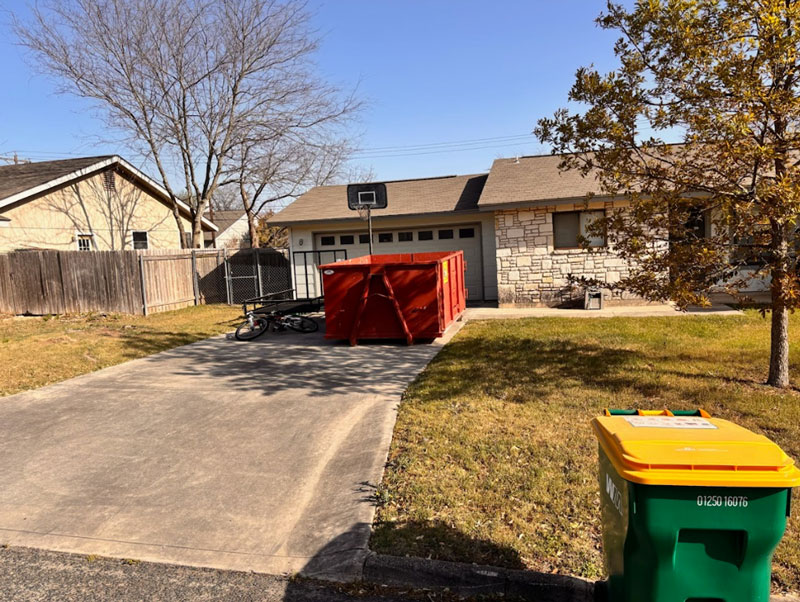
Protect the route between the house and the container from parked vehicles and donation piles. Give each helper a clear work area and a shared rule for uncertain belongings. Arrange appropriate help for heavy furniture instead of rushing a lift because the dumpster has arrived.
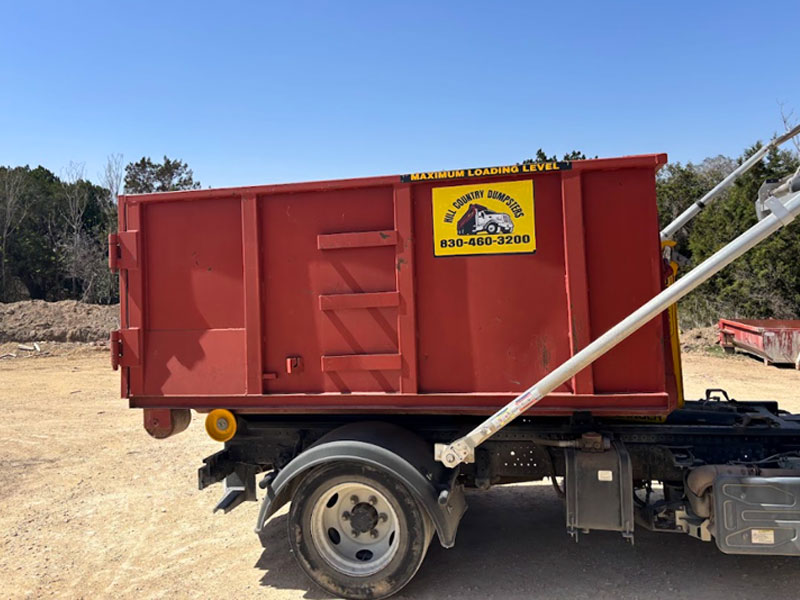
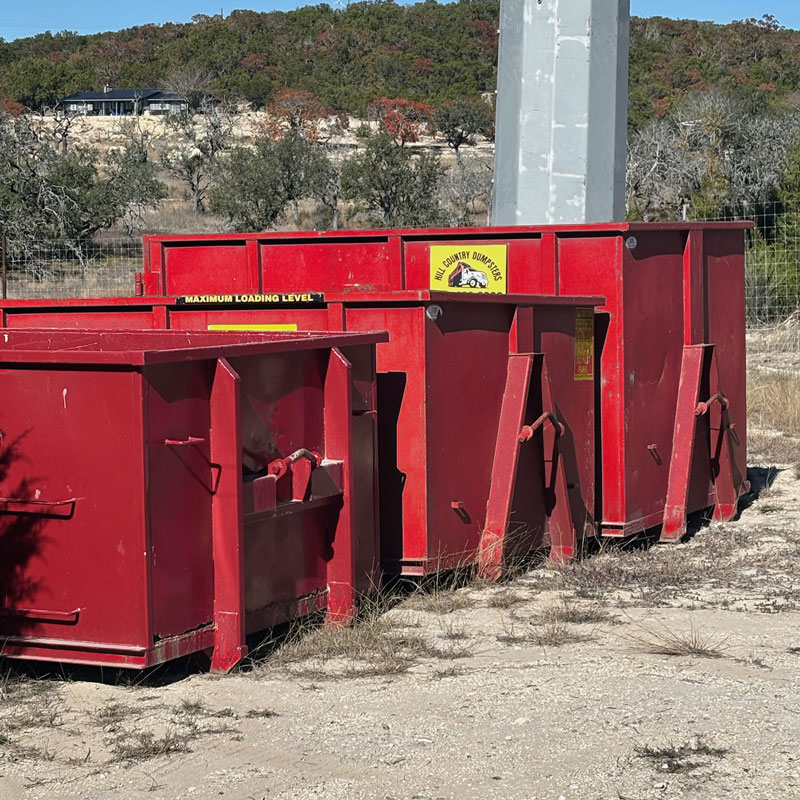
Keep materials inside the container and below its approved fill level. Stop before the load becomes crowded or unstable, and ask about another haul if needed. Do not use the container as a place to store items someone may later need to retrieve.
Leave time for the last decisions and pickup
Check the property again before the intended collection date. Has every decision-maker reviewed the hold area? Are donation appointments complete? Is there a remaining room that would change the load? An early progress check gives you time to discuss extra days or another container.
Do a final access check after helpers and trucks leave. Call the crew to confirm pickup details and any schedule changes. A cleanout is easier to finish when disposal is part of the plan rather than the final unanswered task.
A cleanout plan you can share
- One person or agreed group authorizes disposal
- Keep, donation, special-disposal, and dumpster areas labeled
- Donation appointments and material acceptance confirmed
- Bulky-item list ready for the size conversation
- Enough people, clear access, and pickup timing arranged
Local programs, accepted materials, and rental terms can change. Confirm the requirements for your address, material, and rental before loading or making a disposal trip.