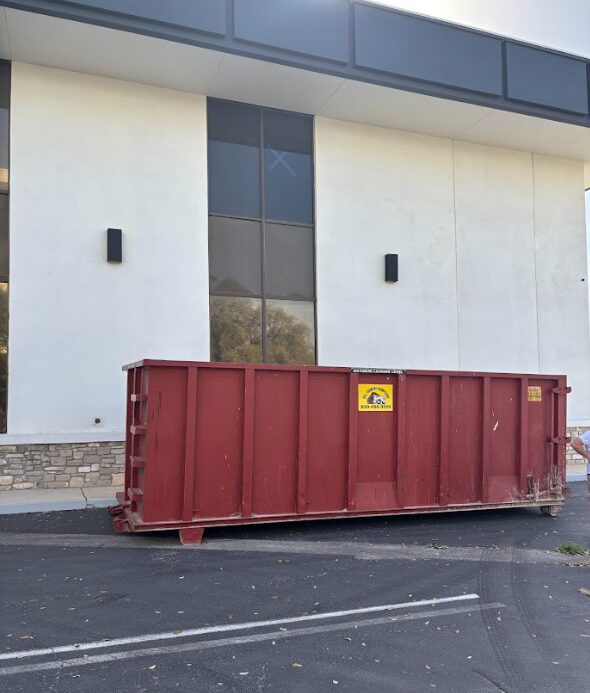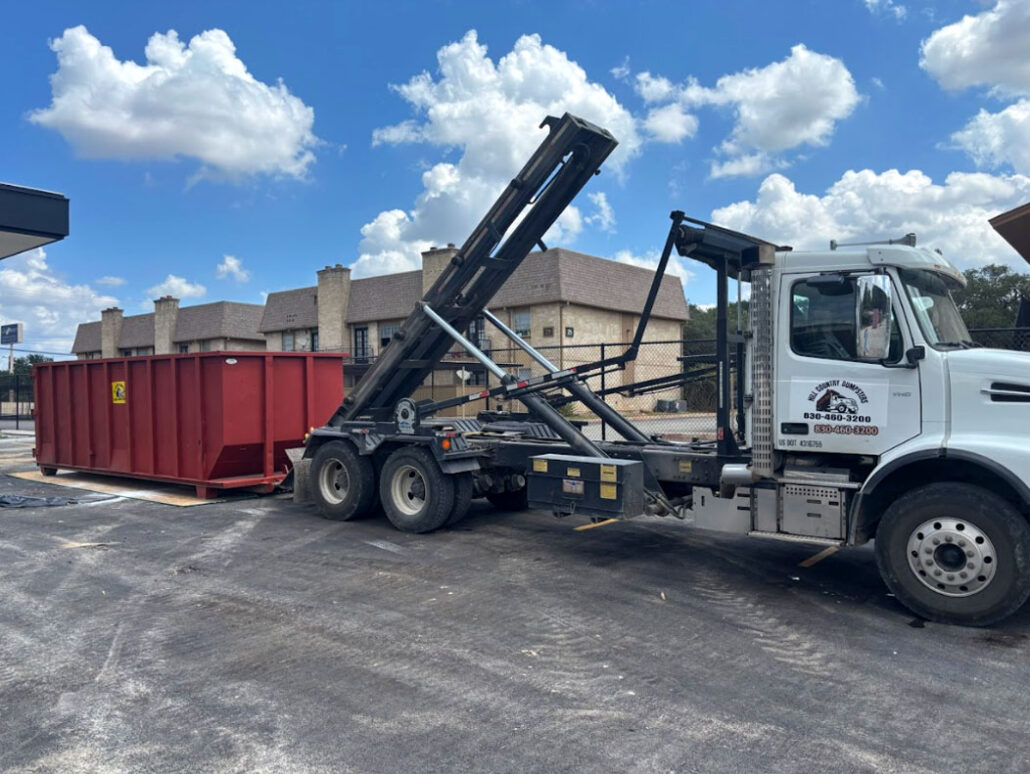
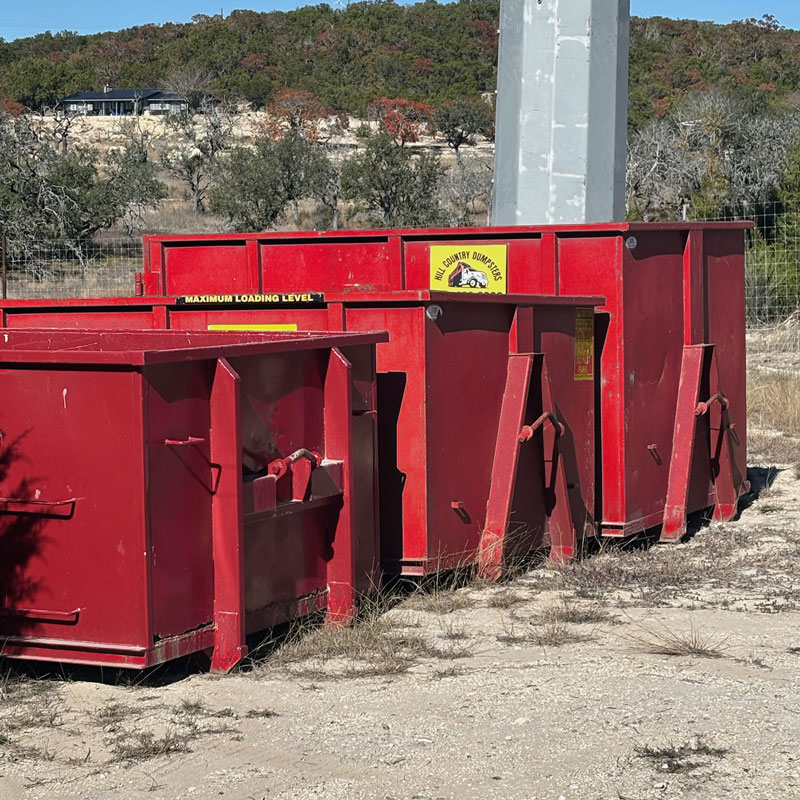
Choose for three things: debris volume, material weight, and delivery access. House square footage alone cannot tell you the right size.
What a cubic yard actually measures
Dumpster sizes describe volume. One cubic yard is a space 3 feet long, 3 feet wide, and 3 feet high. A container’s advertised yardage helps compare how much it can hold, but its outside dimensions include the shape and structure of the container.
Volume and weight are separate limits. A load of empty cabinets may use a lot of room; a smaller pile of tile can be much heavier. The container that holds your debris must also be suitable for its weight and for the truck collecting it.
Start with a project-sized comparison
Hill Country Dumpsters lists 10, 20, 30, and 40-yard rentals. Treat the examples below as starting points for a conversation, rather than promises that a particular room or house will fit. Tell the crew what is being removed and what will stay.
| Size | Projects to discuss | What can change the fit |
|---|---|---|
| 10 yard | A focused garage cleanout or small room update | Bulky furniture or dense flooring |
| 20 yard | A kitchen project or several rooms of clutter | Full cabinets, countertops, or several demolition phases |
| 30 yard | A larger renovation or substantial home cleanout | How much is being donated and how tightly debris packs |
| 40 yard | Extensive renovations or large, bulky loads | Truck access, weight, and whether a swap-out is more practical |
Estimate what is leaving, not just the size of the house
Walk each work area and make a removal list. For a remodel, separate cabinets, flooring, drywall, fixtures, and packaging. For a cleanout, note the large pieces first: sofas, shelving, mattresses, or a workbench can determine how quickly usable space disappears. Ask about acceptance of individual items before including them.
A 2,000-square-foot house getting a single-room refresh produces a different load from the same house undergoing a full gut. Our size finder uses scope, rooms, and home size to suggest a starting point. Photos and a material list help the crew refine that estimate.
Flag heavy materials before choosing a size
Concrete, dirt, brick, rock, roofing, and large amounts of tile need a separate loading discussion. Do not size those loads by how much empty space you see. The crew needs to know the material and quantity before confirming an appropriate container and fill limit.
If your project combines light household debris with dense demolition material, ask whether the loads should be kept separate. A larger dumpster is not permission to add more heavy material.
Check the property and the truck route
Measure the proposed spot, then look beyond it. The truck needs an approach, turning room, and clearance while setting down and collecting the dumpster. Send the crew photos of gates, bends, branches, overhead lines, and the surface. Ask for the specific container dimensions and access requirements for your delivery.
If space is tight, discuss a smaller container with a planned exchange. That may work better than ordering a larger one that cannot be safely placed. Keep the collection route available throughout the rental.
Plan for the uncertain part of the job
Leave a little planning room for awkward shapes and debris you cannot see before demolition. Compare the cost of the next size with the cost and timing of an additional haul. Ask what happens if you fill up early, need another container, or need extra days.
Before choosing, confirm the included rental period, weight allowance, approved material, and any extra charges. A useful recommendation balances the whole project, including pickup, rather than the container alone.
Bring these details to your size conversation
- Rooms or work areas involved, plus photos if possible
- A list of bulky items and every heavy material
- What will be donated, recycled, or handled separately
- Placement measurements, access concerns, and intended dates
Local programs, accepted materials, and rental terms can change. Confirm the requirements for your address, material, and rental before loading or making a disposal trip.