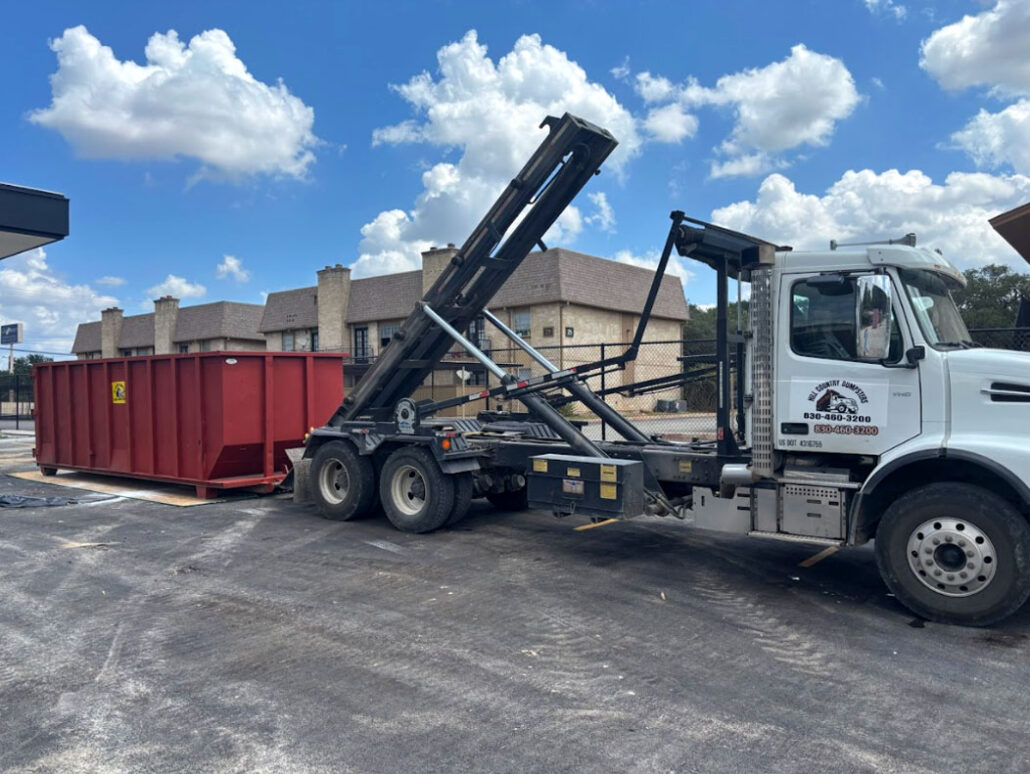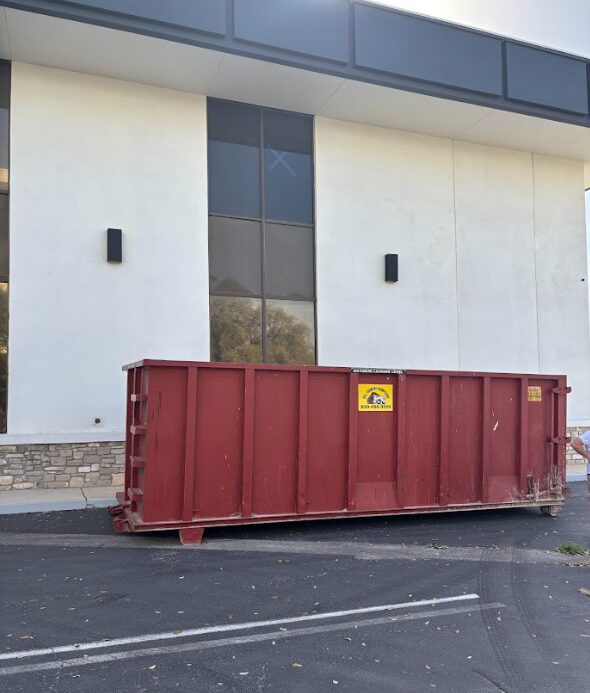
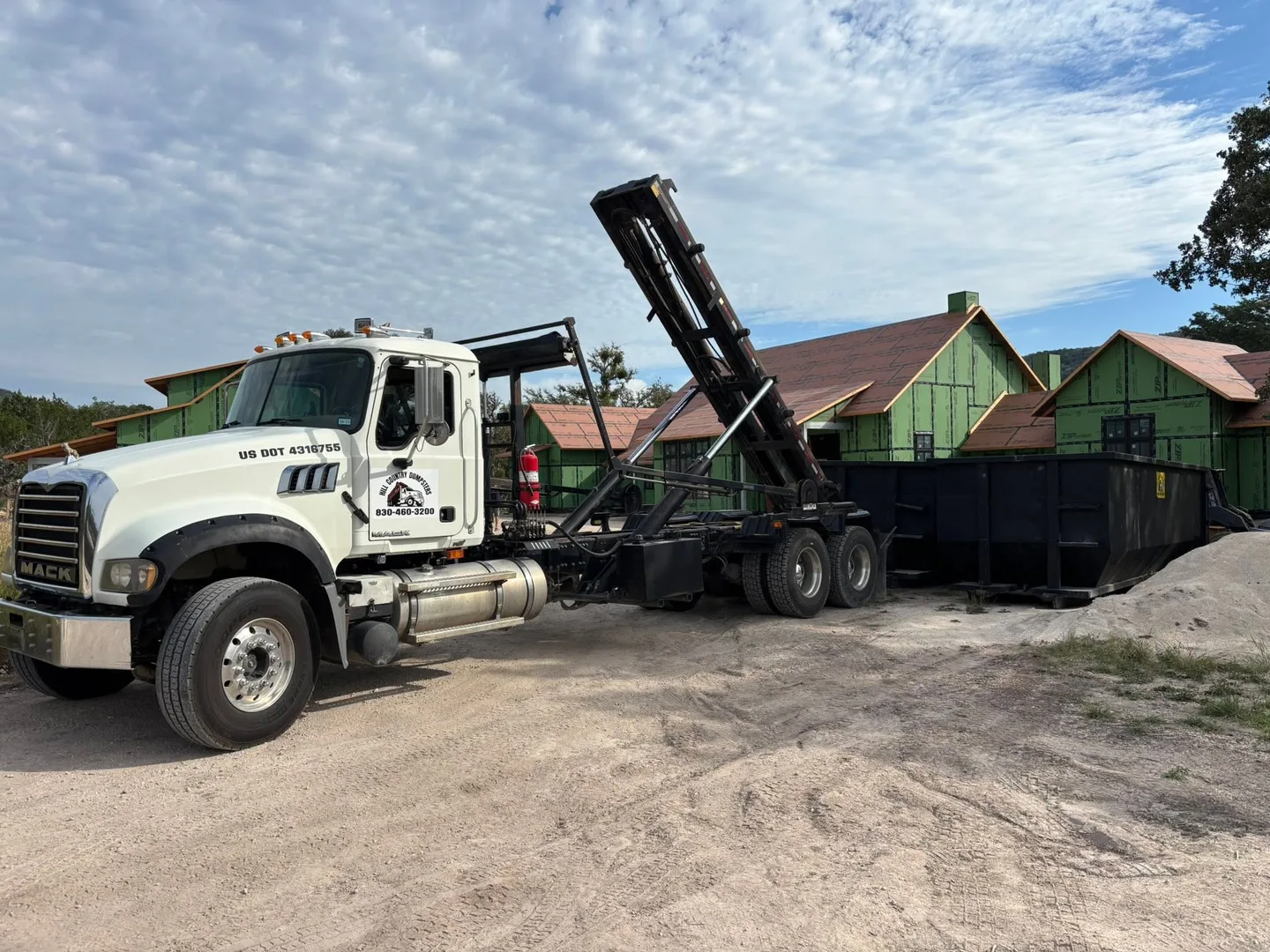
Large projects need more than container space. Our fleet of 280 dumpsters, competitive pricing, and responsive local service help commercial partners coordinate the equipment, site access, and hauls their work requires.
Capacity for projects that keep growing
A development, demolition, or commercial renovation rarely produces all its debris at once. One building may be ready for a cleanout while another is still in framing. A useful dumpster plan follows that sequence, with containers placed where the work is happening and pickups discussed before access becomes tight.
Hill Country Dumpsters operates a fleet of 280 dumpsters. That inventory gives our team flexibility to discuss large jobs, multiple container placements, and projects that move through several stages. Tell us your expected dates and container needs early so we can confirm the right mix and availability for your job.
A large fleet supports the planning conversation; your specific delivery dates, sizes, and exchange schedule still need confirmation. We’ll work through those details with your site contact before equipment is committed.
Plan around milestones, not just a drop-off date
Start with the phases that will generate material: site preparation, demolition, framing, interior work, and final cleanup. Share the expected pace and where crews will be working. We can discuss whether you need one container at a time, several locations on the same site, or planned exchanges as loads fill.
Identify one site contact who can coordinate truck access, keep placement instructions current, and tell us when the schedule changes. Give that person the container locations, order details, and intended collection dates so the field crew and office are working from the same plan.
An exchange involves collecting a loaded dumpster and arranging the next container. Discuss timing ahead of the point where a full container could interrupt work, especially when other trades or delivery trucks use the same route.
- Share the job address, site contact, and planned project phases.
- Estimate the number and size of containers needed for each stage.
- Discuss intended delivery, pickup, and exchange dates with our crew.
- Update us when weather, inspections, or contractor schedules change the plan.
Match containers to the material and the site
Volume and weight need separate attention. A large container can make sense for bulky demolition debris, while concrete, brick, soil, stone, and other dense materials may reach a loading limit well before they fill the available space. Describe the material before selecting a size, and ask about the appropriate container and approved loading limit.
For mixed work, discuss whether materials should stay in separate loads. Give every contractor the same instructions about restricted items, fill levels, and container use. If the debris changes during the project, call before adding a new material to an agreed load.
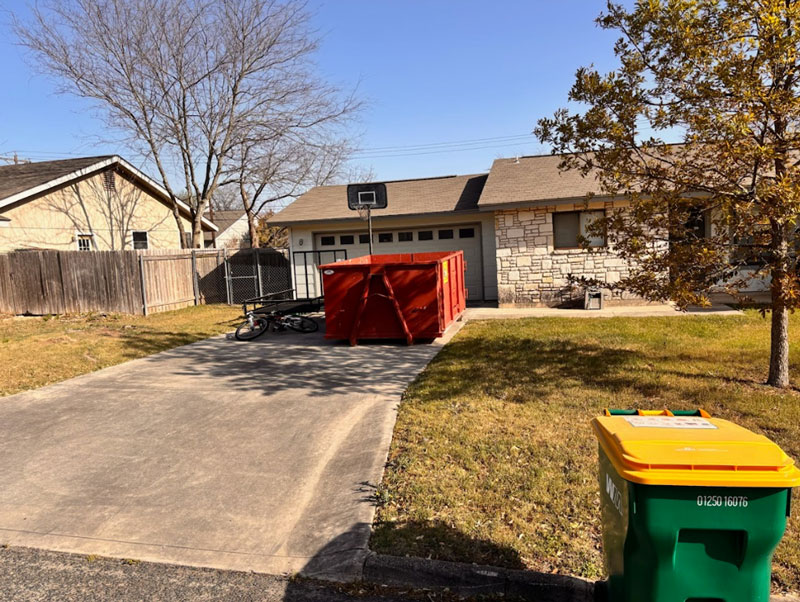
Placement also affects how smoothly the job runs. Explain gates, overhead lines, soft ground, slopes, turning space, and areas shared with pedestrians or equipment. A container footprint is only part of the space needed for delivery and pickup. Keep the collection route available, and tell us if site conditions change.
Responsive service and a quote you can plan around
Our commercial partners work with a local team that can talk through the actual job. Whether you are arranging containers for a new development, clearing a property between tenants, or coordinating demolition, we want the scope and next steps to be clear.
Competitive pricing starts with shared assumptions. Tell us the delivery location, material types, expected containers, rental duration, and likely exchanges. Ask what the quote includes and how additional days, extra hauls, weight overages, or changed access could affect the total. That gives your project team a more useful basis for budgeting than an isolated starting price.
As work progresses, reach the crew with your order details and the change you need. An earlier collection, extension, or exchange is a scheduling request until the team confirms availability and any change in cost. Keep the original plan in place until you receive that confirmation.
Include the rest of the job-site essentials
If your crew also needs a portable restroom, include that in the conversation. Through our local partnership with Buddy’s Septic & Water Well Service, we can discuss a portable restroom alongside your Hill Country dumpster rental.
Tell us about the crew, project dates, and placement needs. Restroom availability, pricing, servicing, and pickup arrangements need to be confirmed for the site. Planning them with your container request helps bring the important details into one conversation.
Online requests today, a commercial portal planned next
You can send our team a project inquiry online and use the pickup change request flow for an existing rental. Include the relevant order details and proposed date so the crew can review the request. Submitting a change does not automatically change the scheduled collection.
We’re planning a dedicated commercial portal where partners can reach the team, request pickup changes, and manage their rentals online. That dedicated workspace is not available yet. While it is being planned, our local crew remains your point of contact for commercial scheduling and project coordination.
Start by sharing your project scope with us: where you are working, what you expect to remove, your dates, and how many containers you anticipate. We’ll use those details to begin a practical rental plan for your job.
Bring these details to the first conversation
- Project address, site contact, and access instructions
- Materials, estimated quantities, and any heavy-debris requirements
- Container sizes and the number of placements you expect
- Project phases, intended delivery dates, and pickup or exchange needs
- Questions about included weight, rental days, hauls, and pricing
- Portable restroom needs for the crew, if applicable
Local programs, accepted materials, and rental terms can change. Confirm the requirements for your address, material, and rental before loading or making a disposal trip.