Keep plant debris separate from soil, rock, fencing, chemicals, and household trash until you know the disposal route for each.
Call the project what it is
Routine pruning, a fence replacement, a garden overhaul, and lot clearing can all look like “yard cleanup” on a calendar. They produce different materials and need different plans. List branches, brush, roots, soil, rock, old fencing, and household items separately before asking for a container.
For brush, describe the pile’s approximate footprint and height, along with branch size and whether a contractor is doing the work. Photos help show bulky shapes that a bag count or acreage alone cannot describe.
Check a local brush service before booking a rental
If you are a Boerne Utilities customer, the city publishes residential brush-collection options with preparation requirements. Its guidance distinguishes ordinary pruning from lot clearing and work by tree-trimming or landscaping companies, which are excluded from that brush service. Check the current rules and your eligibility before planning around collection.
This is a separate municipal service, not a Hill Country Dumpsters pickup policy. A larger job, contractor-generated material, or a project outside an eligible service area may need another arrangement.
Keep the load simple while you decide
Create separate piles for plant material, dirt and stone, fencing or building debris, and special items. Once they are mixed, a load that might have had a brush-processing option may need a different destination. Tell the rental crew whether the project will remain a clean vegetation load or include other material.
Do not add pesticides, fertilizers, fuel containers, or other garden chemicals to the dumpster. Household collection programs have their own acceptance and preparation rules; identify those products before you choose a disposal route.
| What you find | What to arrange |
|---|---|
| Branches, clippings, and brush | Ask about acceptance, branch size, and a plant-only load |
| Stumps with soil or rock | Discuss dimensions and dense material before booking |
| Excavated soil, stone, or broken concrete | Request a heavy-material plan |
| Fence boards, wire, or treated landscape materials | Identify the material and confirm acceptance |
| Garden chemicals, batteries, or fuel | Use an appropriate special collection route |
Plan space around irregular branches
Brush does not pack like a stack of boxes. Long limbs and root balls can use space quickly even when the pile seems light. Ask what preparation is appropriate for your load, keep material contained within the approved limit, and avoid projecting branches over the sides.
Arrange qualified help for tree work or items too large to handle safely. The delivery of a dumpster does not include cutting trees or turning an unsafe pile into a manageable one. Give the crew an honest description of the material as it will arrive at the container.
Consider gates, ground, and weather
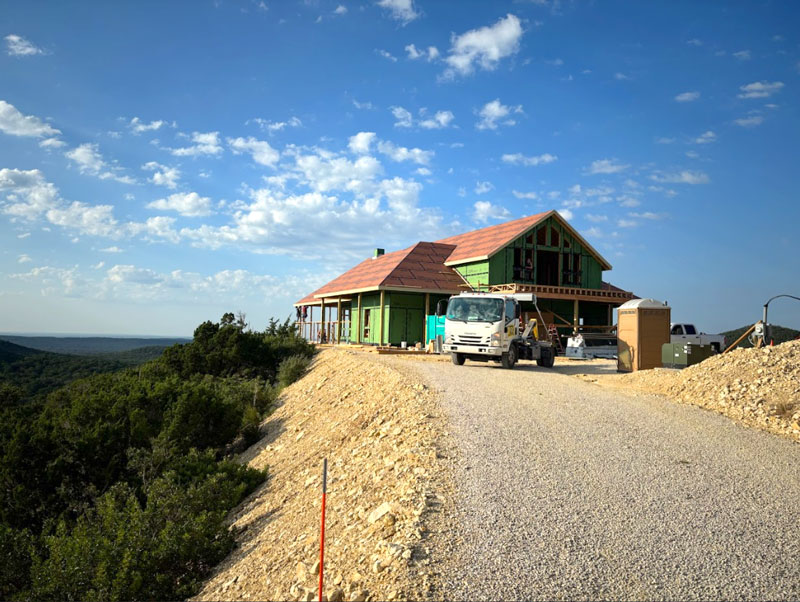
For a rural property, point out gates, culverts, overhead obstructions, and the route from the road to the project. Ask the crew to assess the proposed surface. Avoid choosing a spot solely because it is close to the brush if a truck cannot approach and collect there.
If rain changes the access route, update the team before delivery or collection. Do not assume a firm-looking gravel edge or a recently disturbed work area will support the loaded equipment. Plan the container location before landscaping supplies block the best approach.
Match the rental to the pace of the work
Estimate when the pruning or removal work will actually happen and how quickly material will be ready. If several people or trades are involved, agree on which materials belong in the container and when each will finish. Discuss an exchange if one approved load will not cover the work.
Check progress before the intended pickup date and arrange any changes with the crew. Keep the collection route free of mulch deliveries, trailers, and the last pile of branches.
Before the yard work starts
- Separate brush, soil, rock, fencing, and special items
- Check municipal collection eligibility if it applies
- Share pile photos, branch size, and contractor involvement
- Confirm material acceptance and loading limits
- Agree on placement, access, and pickup timing
Local programs, accepted materials, and rental terms can change. Confirm the requirements for your address, material, and rental before loading or making a disposal trip.